What if we stopped treating our bodies as something to constantly fix, perfect, compare, or simply accept without ever asking what it means to truly care for them?
Somewhere along the way, the conversation around women’s health and fitness has become remarkably complicated.
On one side, we’re told to love ourselves exactly as we are, sometimes with the suggestion that wanting to change or improve something means we haven’t accepted ourselves.
On the other, we’re surrounded by messages suggesting that no matter how much we train, how carefully we eat, or how hard we work, there’s always another version of ourselves we should be chasing.
One encourages us to question whether improvement is necessary. The other can make improvement feel like an obligation without an end.
What if taking care of ourselves was never supposed to be about proving that we’re enough? What if it was simply part of building a life in which we can thrive?
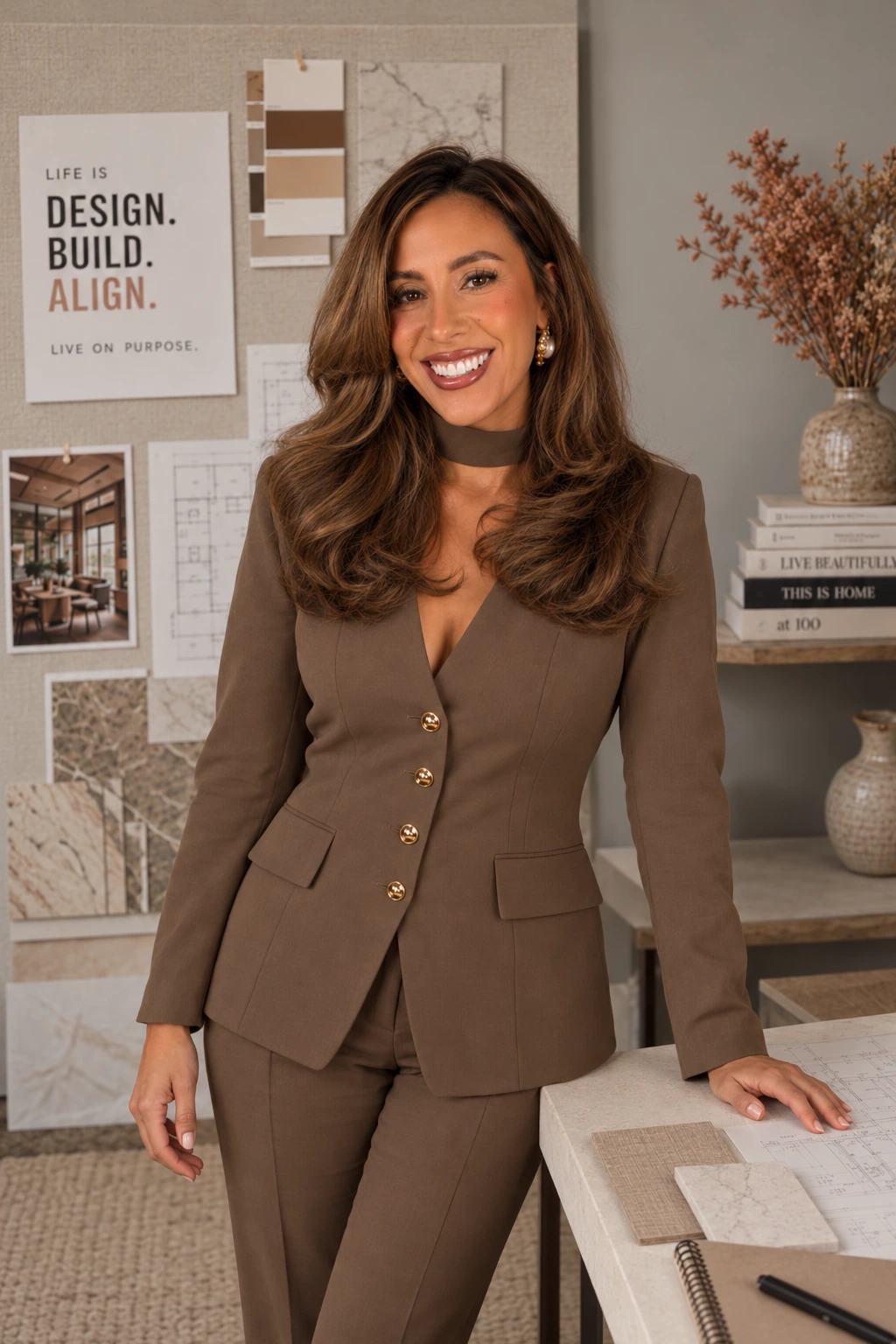
For more than 13 years, Raquel Cornell has coached women across generations, abilities, circumstances, and stages of life.
She’s seen what happens when women begin developing physical strength, not simply in their bodies, but in their relationship with themselves.
When movement becomes something they look forward to rather than something they owe themselves for eating.
When training becomes a place to discover what their bodies can do, rather than a daily assessment of what they look like.
When progress becomes something they experience through greater capability, energy, resilience, and health, rather than something determined entirely by a mirror or a number on a scale.
And when taking care of their health becomes an important part of their lives, rather than something that competes with everything else they value.
Because the goal isn’t to build a woman who lives for the gym. It’s to build a relationship with health and strength that supports the whole woman, for the whole of her life.
Raquel brings together years of hands-on strength coaching, personal experience, humour, and her broader philosophy of Life Architecture to examine the relationship between physical health, self-respect, personal agency, and lifelong development.
She challenges the idea that accepting ourselves and working on ourselves are opposing choices.
She also challenges the belief that more training, greater restriction, or a relentless pursuit of physical perfection automatically means we’re becoming healthier.
Instead, she introduces a different way of thinking about strength.
One that recognizes the body as something worth investing in, caring for, challenging, listening to, and continuing to develop throughout our lives.
Health is not a separate project from the life we’re building. It’s one of the foundations that helps us live it.
This is not another presentation about getting in shape.
It’s an engaging, thought-provoking conversation about developing a lifelong relationship with our bodies, understanding the deeper value of strength, and recognizing how the way we care for ourselves influences the way we experience our lives.